
"tea market growth"
1000 article(s) found

Coffee consumption in China is growing at 12.8% annually. Starbucks is strong across borders.
Starbucks, which makes coffee, earns a lot of gold and silver in China and wants to collect it even from baking. It is reported that China's coffee market has great potential, with an annual growth rate of 12.8%, and is expected to reach 300 billion yuan in 2020, which not only stimulates coffee producers and coffee machine developers, but also makes Starbucks become a success in China. No wonder Starbucks, which wants cross-border baked goods, is energized.

Know the Fine Coffee Certification Organization: UTZ Certified quality Coffee Certification
In Mayan language, UTZ means quality. UTZ Certification body is an independent organization that certifies all kinds of quality coffee, tea and cocoa in the world. UTZ certification, also known as good coffee (tea / cocoa) certification, refers to the responsible coffee (tea / cocoa) mark recognized by UTZ after the production of coffee (tea / cocoa) has passed environmental, social and economic independent audit standards. UTZ certification

Coffee Popularity: If coffee shops want to operate for a long time, they must carefully select coffee beans.
Professional barista exchanges, please pay attention to coffee workshop (Weixin Official Accounts cafe_style) Coffee is really very popular, just read the coffee books displayed in the shop to know, remember when I first came into contact with coffee, there was only one coffee primer, or a book published in the sixties of the Republic of China, and the rest can only be seen in the recipe drinks. In fact, the food related to that period

UTZ Certified quality Coffee Certification UTZ Certification body Coffee quality Certification
In Mayan language, UTZ means quality. UTZ Certification body is an independent organization that certifies all kinds of quality coffee, tea and cocoa in the world. UTZ certification, also known as good coffee (tea / cocoa) certification, refers to the responsible coffee (tea / cocoa) mark recognized by UTZ after the production of coffee (tea / cocoa) has passed environmental, social and economic independent audit standards. UT

Pacific Coffee localization unfavorable launch upgrade brand to enter the "boutique coffee" market
Professional coffee knowledge exchange More coffee bean information Please pay attention to coffee workshop (Weixin Official Accounts cafe_style) repeatedly tried to introduce local elements such as national wine and tea into the products, but the results were not good. Pacific Coffee tried to enter the boutique market, opened the boutique coffee shop Brew Bar to the International Trade Mall, and marked the growth altitude, processing method, processing station and roasting of coffee beans in hand.

UTZ Certified Coffee Certification promotes the Sustainable Development of Coffee Industry
In Mayan language, UTZ means quality. UTZ Certification body is an independent organization that certifies all kinds of quality coffee, tea and cocoa in the world. UTZ certification, also known as good coffee (tea / cocoa) certification, refers to the responsible coffee (tea / cocoa) mark recognized by UTZ after the production of coffee (tea / cocoa) has passed environmental, social and economic independent audit standards. UT

The journey of coffee from Africa to China
Coffee originated in Africa and little is known about it. In fact, Africa Ethiopia is the hometown of coffee, producing the best Arabian coffee in the world. Soil, weather conditions and an altitude of more than 2000 meters above sea level have made many countries in Africa create an ideal scene for the growth of coffee. At present, coffee production in Africa accounts for about 13% of the world's total output, and coffee income is part of Africa.
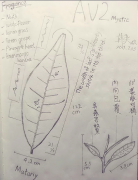
Which kind of tea tree tastes good?
In a scientific report, a straight-faced line says that there is a fairly standard timetable for innovation in Japanese tea production: once every 400 years. Tea cultivation is a conservative tradition, with many great names spanning centuries of tea planting culture, preserving topography, methods, skills and standards. What is clonal tea? Through clonal tea varieties, forward-looking science and embedded calendar

What is the difference between Taiwan black tea variety Qiyuntai tea No. 23 and Taiwan tea No. 18 Hongyu black tea
The tea improvement field of the Council of Agriculture launched a new black tea variety "Taiwan Tea 23" on September 5, 107, which does not have the strong convergence of big-leaf tea, reduces the astringent taste, and exudes strong flower and fruit aromas, which will become a new force in the black tea market. The change of tea field shows that the new variety of Taicha 23 has the characteristics of strong growth potential, strong disease resistance and strong drought tolerance, and the black tea produced by it has excellent quality and water color.

The prices of new-style tea drinks have been reduced collectively, while coffee brands such as Starbucks and Ruixing have collectively raised prices, and the coffee market is not enough.
At the beginning of 2022, migrant workers were worried about whether they could withstand the slap of real life, and last year they were able to have a latte in the morning and a cup of milk tea in the afternoon. First, after New Year's Day was told that there was no freedom of milk tea, and then after the Spring Festival, he was told that he had lost the freedom of coffee.
What is the coffee standard of cocoa frog coffee certified by UTZ Certified quality coffee?
The implementing rules for the Certification of quality Coffee (Tea / Cocoa) is a set of internationally recognized standards, including economic, social and environmental standards for responsible coffee (tea / cocoa) production. Producers who comply with these rules (plantation owners or small farmers' groups) may seek certification. Chain of custody requirements is a set of management and technical rules that highly guarantee high-quality certified coffee

It is revealed that 30% of Xicha has been laid off on Hot search Xicha and the emergency response is false news.
When it comes to new-style tea, people's first impression is either Nai Xue or Xi Cha. Compared with Nai Xue, the brand of Xi Tea has developed rapidly even if it is not listed on the market. Open stores with new themes, cooperate with local brands everywhere, and even invest in new brands. This kind of operation all reveals
Coffee consumption in China is growing by more than 40% a year.
It is reported that in recent years, China's coffee consumption has risen sharply, with an annual growth rate of more than 40%. It has become an important engine of global coffee consumption and attracted the attention of the world. In 2003, China's total coffee consumption was 19080 tons, double that of 1995, with an annual growth rate of 14.9%. The annual per capita consumption was 14.7g, 0.18% of that of Europe, 0.35% of that of the United States and 0.4% of Japan.

Luckin Coffee hand in hand with Luidafu to promote the fruit juice brand, why can't Ruixing sell coffee well?
Professional coffee knowledge exchange more coffee bean information please follow the coffee workshop (Wechat official account cafe_style) to start with coffee, to create a new tea drink sub-brand Xiao Lu Tea and operate independently, Lucky's new goal is on fruit juices. Luckin Coffee, who has been listed in the United States for less than half a year, has made another big move. On September 26th, according to media reports, Luckin Coffee announced that he and Louis Dreyfus (LDC)

Ceylon, formerly known as Ceylon, is famous for its black tea. Which Asian country now produces Ceylon black tea?
The tea industry in Sri Lanka has gone through a long process of nearly two centuries since the first tea tree was planted in the Royal Botanical Garden of Peradinia. Once commercialized, Ceylon tea soon became famous for its unique taste and high-quality raw materials. Ceylon tea is loved by tea lovers all over the world and satisfies the whole world.
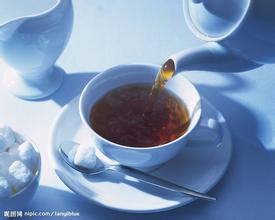
Annual Summary | Analysis of the Development of Coffee and Coffee Shop Market in China in 2015
If coffee shop operators and retailers do not realize that coffee prices must be reduced, and if they insist on a single marketing model, I do not think China will become the world's largest coffee consumption market in the future.

Jinuo intelligent coffee mill is popular in first-and second-tier cities in China.
More and more Chinese are beginning to sip Western drinks, and coffee is undoubtedly the first to bear the brunt. Relevant industry data show that the space of China's coffee market will continue to expand and will enter a period of rapid growth in the next 10 years. According to the London International Coffee Organization, compared with the global average growth rate of 2%, China's coffee consumption is growing at an astonishing rate of 15% a year. According to statistics, China's current
Coca-Cola once again enters the mainland coffee market and makes its debut in Hangzhou.
Unexpectedly, Coca-Cola also has coffee. Is this to compete with Nestle and Starbucks for business? Yesterday, Xiao Qin, who was shopping in a supermarket in the west of the city, accidentally found a new face on the coffee and beverage shelf. After the beverage industry has said goodbye to the golden era of high growth, instant coffee, a niche beverage market with a high compound growth rate of 34.2%, is making it a new favorite in the industry. In contact with Nestle's

When did coffee become popular in China?-the reason why coffee is popular.
When did coffee become popular in China? another reason for the popularity of coffee is that competition crosses the border. At present, China's annual coffee consumption is about 70 billion yuan, which is expected to reach 1 trillion yuan within 10 years, while the annual growth rate of coffee consumption is about 20%, much higher than the global 2%. It is not difficult to see that China's coffee market has great potential. Coffee chain zero in China

Five development trends of coffee and tea industry
Coffee and tea is a growth segment of the catering industry. Sales in coffee shops alone reached $21.6 billion in 2016. Even so, the market is facing fierce competition from retail products, especially the fast-growing ready-to-drink coffee. Even with the challenges, coffee shops are still one step ahead by offering innovative drinks to consumers. Industry insiders estimate that coffee and tea will be produced in the future.